The next harvests were puny and blighted, scrawny things rotting on the vine. This, too, was accepted, a symbol of what was becoming an unusually harsh winter. Belts tightened, the lines outside granaries became longer, and faces tightened with hunger.
But when the first snows melted and spring grazed the rooftops, the farmers of the Three Cities began to sicken and die. Not quickly, either, but slowly. Skin peeling from throats worn hoarse by rambling, feet and hands reduced to blackened stumps. Hours upon hours of dry heaving, accompanied by bloody discharges from the rear.
Additionally, most all plants, trees, and crop sprouts began to wither.
 |
| Daniel Kyle |
Cities and towns anxious for their agricultural supplies called for hosts of wizards and priests to cure the land. Gradually, the blight's origin was fixed as the asheaps, and to have been transported across the land by underground rivers.
Wizards, drawing forth strange compounds from the freshly dead, convened. Sealed glasses of exotic substances were exchanged, examined, weighed, tested, bought and sold.
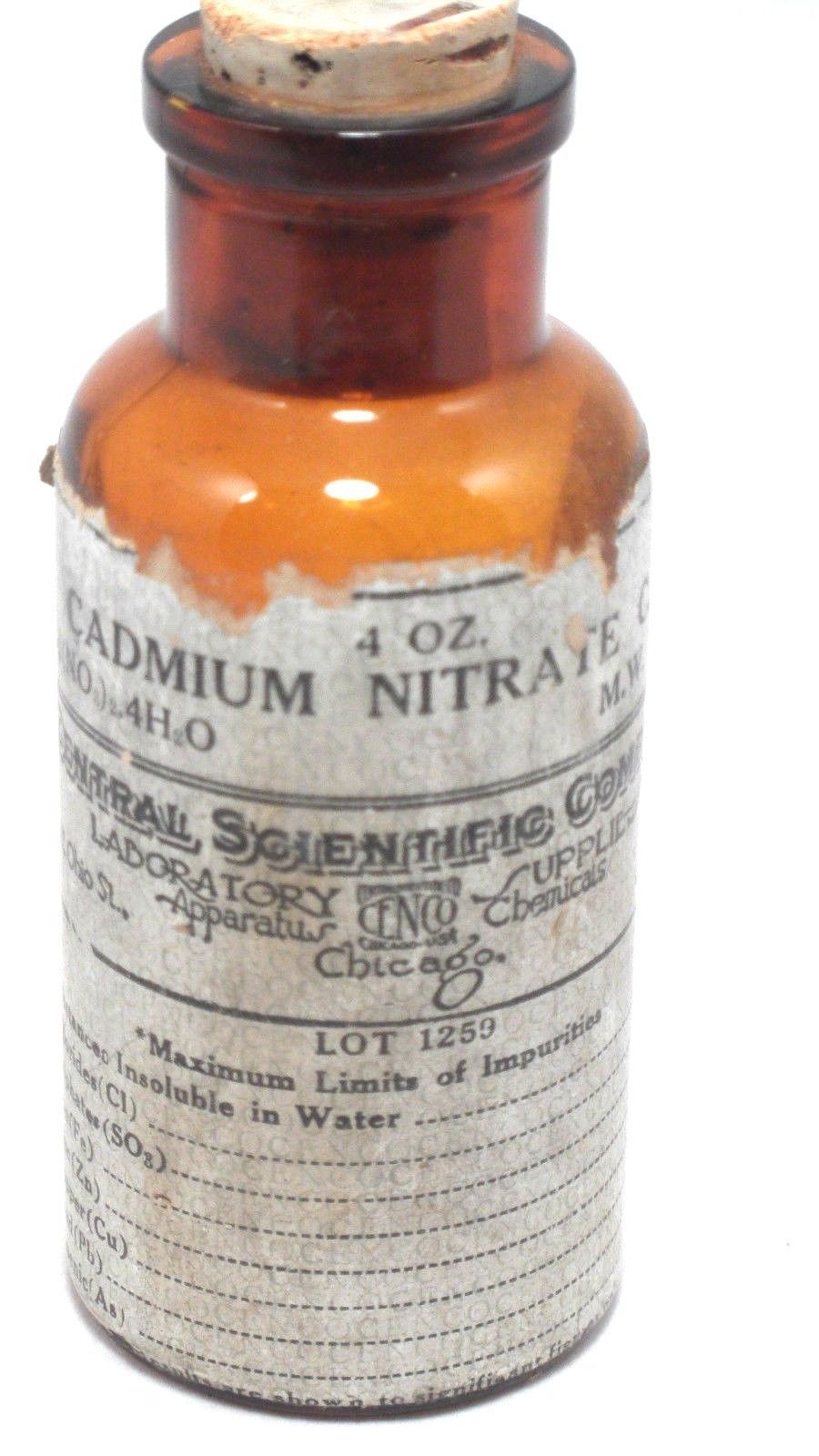 |
| You can apparently buy these online |
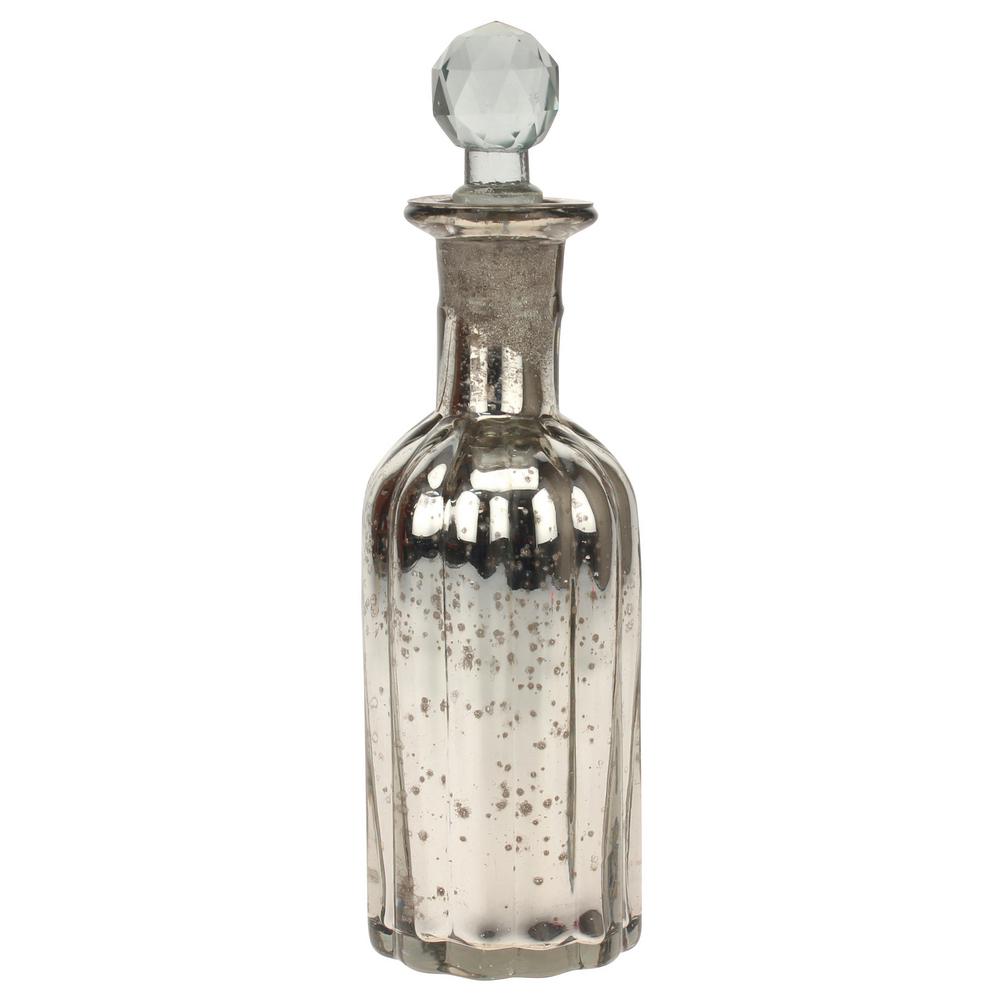

The wizards who specialize in diagnosing and removing these substances from people, animals, plants, and soil are called toxinists. Some are employed by city councils to monitor levels of dangerous substances in groundwater, or by farmer's guilds as insurance against ashfalls.
The GLOG version of this class is directly based on Arnold's rules, but is designed with an eye towards Skerples's wizard guide.
Toxinist Convocation:
Perk: You can safely handle, transport, and test for dangerous minerals and metals. You start with some thick, impermeable gloves, a face mask designed to filter out poisonous fumes, a delicate set of chemical equipment, and 2d10 glass flasks. You can also cast spells without hand gestures.
Drawback: Can only cast spells while wearing your gloves. If your gloves are ever lost or ruined, you'll need to spend an exorbitant sum in the nearest city to repair them or commission a new pair. A pair of hardy gloves (dwarven forge mittens, alchemist's gloves) may work in a pinch, but require you to Save vs Dex every time you cast a spell or suffer a Mishap.
A quality pair of gloves takes up an inventory slot. However, they'll let you handle acids, quicksilver, poisoned objects, and glowing tongs comfortably. They'll also provide bonuses to climbing slippery surfaces or handling greased objects.
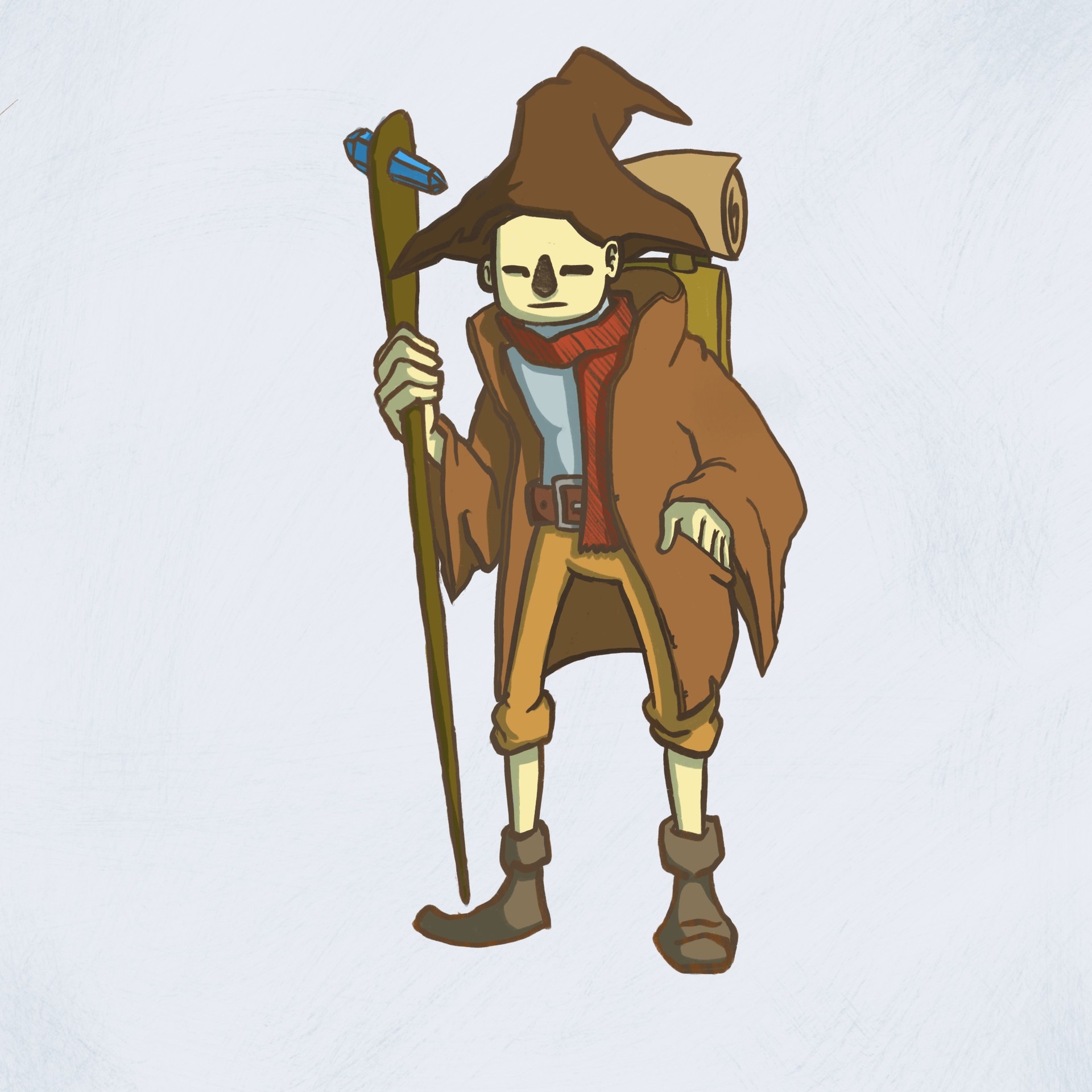 |
| David Beck Elder toxinists will have staves made entirely of glass instead of a single glass crystal embedded in wood |
Cantrips:
1. Produce a small amount of cleaning fluid.
2. Determine the amounts and types of [level] toxic substances in 1 target, with most lethal substances given priority. The target may be a creature, a plant, or a patch of soil.
3. Instantly bring a pot of water to a boil.
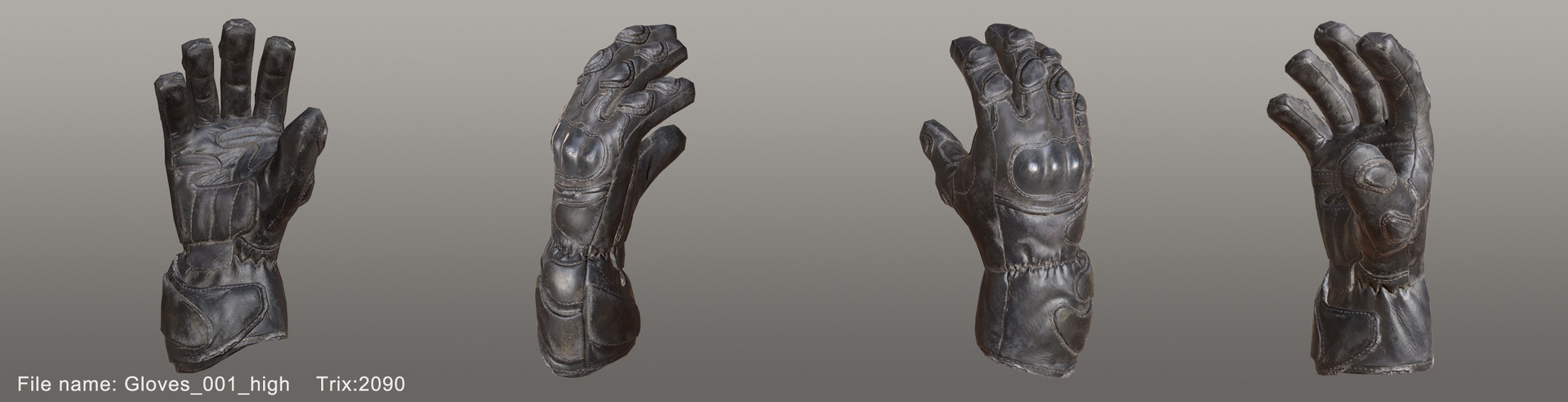 |
| Chu Shie Wrist protection is also important |
Toxinist Spell List:
1. Magic Missile*
R: 200' T: creature D: 0
R: 200' T: creature D: 0
Target takes [sum] + [dice] damage, no Save. Your magic missile smokes and glints like white phosphorus.
2. Gasmask**
R: Touch T: Piece of cloth of [dice] square feet D: [dice] hours
When held over the mouth, the affected material provides immunity to airborne toxins.
R: Touch T: Piece of cloth of [dice] square feet D: [dice] hours
When held over the mouth, the affected material provides immunity to airborne toxins.
3. Bezojar
R: Touch T: [dice] toxins inside 1 creature or plant D: indefinite
Purges the target of [dice] number of harmful substances, curing the target of any sicknesses or effects related to the substance. The substances are distilled and collected inside a glass jar.
The container can hold [sum] samples of toxins (determined when the spell is first cast) before it can't be used for this spell anymore. The jar can be thrown like a rock, doing [dice] damage and forcing a living target to Save against all toxins stored within. Larger glass containers may be able to hold more samples.
If this spell is used on a venomous or unwilling creature, they can Save to resist its effects.
4. Hypochondria
R: 30' T: [sum] creatures D: [dice] rounds
Creatures of your choice must Save or believe that they are afflicted with a deadly poison. Ill creatures may get a penalty to the save, at the DM's discretion.
5. Sterilize**R: 20' T: [dice] objects D: 0
Toxins and infectious agents are violently removed from the object(s).
6. Glasswarp
R: Touch T: [dice] objects D: [dice] hours
Glass objects that you touch bend or flex. Windows expand to fit frames, shrink and fall out, or shatter into glass daggers. You can use this to put a small, broken jar back together (or potentially larger items if you invest more dice), but you must Save vs Int if you wish to collect the contents of the jar (assuming they're close to the jar) in the jar as you reform it.
R: Touch T: Person D: [dice] charges
Target gains advantage on saves against poison, possession, and disease.
R: Touch T: self D: [sum] rounds
For the duration of the spell your arms split into three identical copies, moving independently with all the dexterity and strength of your normal limbs. You gain +2 to Strength, can carry multiple weapons or work with multiple tools at once, and take a -2 penalty to Wisdom for the purposes of Initiative.
9. Vacuum
R: 20' x [dice] T: [sum] objects or creatures D: indefinite
Containers of sufficient hardiness have all air removed from them until they are opened. This spell affects creatures of your choice with HD < = [dice]. If you cast this spell on [sum] creatures, it requires concentration, and they must Save or begin to suffocate. When they successfully Save, they can breathe again.
If this spell is cast on an air elemental, the elemental is paralyzed for the duration. If 4 or more dice are used, the elemental must Save or die.
Sidebar: Suffocating
If a PC is suffocating, they remain conscious for a number of rounds equal to their Con modifier. While suffocating, their speed is halved, they cannot move faster than a walk, and they have a +5 penalty to everything. An affected creature can't do anything that requires air, like talk or cast spells.
If a suffocating creature hasn't gotten to air after [Con mod] rounds, they fall unconscious and must Save vs death. On a success, they stay alive another round, but must roll on a brain damage table (something to write up). If the PC still hasn't reached air at the end of that round, they die.
Obviously, creatures that don't need air are unaffected, though air may still be drawn out of them. What does one do with the last breath of a lich, taken 257 years ago, freshly drawn from their lungs? Use it as a magical ingredient, of course.
(Curiously enough, casting this spell on a Fat Fox Wizard won't cause them to suffocate, but will prevent them from casting spells.)
10. Envenom
R: Touch T: [dice] weapons D: indefinite
You apply poisons, toxins, or minerals that you have on hand to [dice] melee weapons, which last for [dice] attacks. If you wish to target [dice] ranged weapons you may instead coat [sum] ammunition. Toxins on ammunition disappear after the ammunition is expended.
 |
| David Simons |
Emblem Spells
11. Genie in a Bottle
R: 100' T: 1 creature D: A year and a day
A creature of HD < [sum] - [dice] must Save or be trapped in a sealed container of your choosing. While trapped, the creature is sleeping, and does not require anything to survive. If the container breaks or is opened, the creature is released. Creatures that have been trapped in this manner before gain a -4 bonus to their Save, and you may only have one creature at a time trapped in this way.
12. Farmer's Boon
R: [dice] miles T: Land D: Indefinite
You purify the earth of toxins and mutating agents. Horrific abominations sprung from toxic exposure (say, mercury sprites) of HD < [dice] must Save or die. Depending on the season, the land may be instantly ready for planting.
Bonus spells that didn't make the cut!
Eskelion's Faux Cure
R: 30' T: [sum] creatures D: [dice] minutes
All creatures suffering from a disease, toxin, heavy metal, or any similar substance have their symptoms (conditions) removed or reversed for the duration. This does not prevent poison damage, ability score reduction, or other equally horrific effects, and will not work on Save vs death toxins. Creatures reduced to 0 HP by toxins or disease will fall unconscious but remain stable until the spell expires.
Skin of Toad
R: Touch T: 1 creature D: [dice] rounds
Target creature becomes slimy and deals [sum] / [dice] damage to creatures that hit its skin with a melee attack or grapple it.
Mishaps
1. MD only return to your pool on a 1-2 for 24 hours.
2. Take 1d6 damage.
3. Random mutation for 1d6 rounds, then Save. Permanent if you fail.
4. An ally within 50' of you must Save or become violently sick.
5. The most dangerous container you possess breaks.
6. Rations and deadly toxins switch purposes for you for 24 hours. The more lethal/nutritious the substance, the more filling/harmful it is.
Doom of the Toxinist
1. Any glass you possess turns hostile for 24 hours, and will inconvenience you however it can.
2. You gain a randomly determined and fatal allergy that you don't know the specifics of.
3. You are grotesquely sucked into the nearest small empty container over the course of a round. Your body compresses, wrenches, and snaps as necessary to fit inside the container.
This doom can be escaped by categorizing every toxic substance in Creation or by seeking out and defeating the Lords Realgar, Cinnabar, Galena, and Chromite.
* Spell lifted from Skerples.
** Spell lifted from Dan.
OSR Design Notes
Designing a wizard school for the GLOG is harder than I expected, largely because I've never worked in any system besides 5e before. Balancing spells was perhaps the trickiest thing, though not for lack of spells to compare my creations against. The cantrip list underwent several revisions. One cantrip became a spell and vice versa after I worried over the power levels. All said and done, some of these spells may still be too powerful, even as niche spells.
Despite that, I think this is a decent whack at a wizard. This school offers some pretty decent crowd control, especially at higher levels. No outright damage barring envenomed weapons or magic missile, but a creative Toxinist won't have any trouble finding ways to inflict or prevent suffering. Besides, this is the only school that could conceivably line up jars of lethal substances on a bar and then down them like shots. Some rather brutal dooms and mishaps, but the Toxinist gets some very powerful spells.
 |
| Janice Chu |
5e: School of Toxinists
Mithridates's Pupil
Beginning at 2nd level, you have resistance to poison damage, and when you sample an unknown substance to determine its composition and effects, you have advantage on your saving throw.
Snake Oil
At 6th level, you learn the spells protection from poison and poison spray, if you did not already know them already. When you cast protection from poison spell on a creature, you may extract a poisonous substance from a creature into a container instead of neutralizing the substance.
In addition, poison spray's range increases to 20 feet for you, and a target of poison spray takes half damage on a successful Constitution save.
Excretory
Starting at 10th level, you discover the secrets of grung skin. As an action, you begin to sweat a noxious toxin from your pores. For 1 minute, every creature that grapples you or hits you with a melee attack must make a Constitution saving throw against your spell save DC or be poisoned for the duration of this ability.
This ability recharges after a long rest.
Spirometric Master
Beginning at 14th level, you gain the ability to store airborne toxins inside your body. As a reaction to a sudden spewing of poison (like a green dragon's breath weapon), you may vacuum up the toxin into your lungs. You are immune to this poison.
You can hold your breath for a number of rounds equal to your Constitution modifier, but then must exhale the stored toxin in a 30 foot cone. Any creatures in the cone's area of effect must save as per the original save or be affected by the toxin.
You regain the use of this ability after a long rest.
5e Design Notes
This went a hell of a lot faster, probably because I'm used to this. I don't feel like this wizard is too situational because 5e wizards have access to a heap of spells. Besides, any situation in which someone is incentivized to try all the unknown potions is a fun situation. I also don't believe in any ability that nullifies an important part of the system. "Immunity to X damage type" for example. Resistance is fine, but poisons and their effects should always be a threat to any toxinist.
Combined Design Notes
Designing the same supposed subclass/school in two very different systems has given me an appreciation for the feel of the GLOG and 5e. These two versions will play differently because of their placements. 5e wizards can afford to have niche abilities because they have so many other tools at their disposal. GLOG wizards need all the survivability they can get, which lends itself to a (depending on the school) pragmatic spell list.
Overall, 5e offers deeper system complexity inside a narrower viewpoint. With so many spells at a default wizard's hands, the system asks you to clearly differentiate your wizard from all the other wizards out there. In essence, how can I design a subclass that has tools which set it apart from a wizard who can focus on the spells that dovetail with my subclass's feel? What makes a conjurer different from a wizard who likes conjuring things and who relies on conjuration spells in battle?
In other words, 5e subclasses incentivize players to pick them because they offer unique features unobtainable anywhere else in the game that reward a certain playstyle (the subclass's flavor) within the class as a whole. GLOG wizard schools do the same thing, but differently.
GLOG schools have much less of a shared pool in common with each other. Granted, spells like Light or Magic Missile may be a mainstay because of their usability, but the freedom the GLOG offers to sketch out your idea within the wizard mechanics is breathtaking. The Toxinist has some spells no wizards will ever deign to use, and its emblem spells are forever removed from the grasp of other wizards (or so it seems to be assumed. Part of good game design is intentional rulebreaking.)
Point being, the wizard "class" is mechanics, with absolutely no flavor or spell selection. Instead of dipping into a vast wellspring, GLOG wizards search after a very small, very personal selection of spells.
In 5e, the wizard "flavor" is largely accomplished through subclass choice. In the GLOG, wizard flavor is accumulated through their spells, cantrips, starting equipment, perks and drawbacks, mishaps, and dooms. The difference here is inherent flavor versus given flavor.
5e wizards already have the most spells in the game, so the personality of each individual spell is somewhat diluted. Yes, you can choose lightning bolt. So can everyone else once they hit level 5. What makes you special besides lightning bolt?
In earlier editions of D&D, wizards had opposed classes that forced them to pay more spell slots for opposition spells, shrinking spell lists and condensing concepts. This reductive approach is more evident in 5e's sorcerer (Expanded Spells), warlock, the ranger redux, and paladin. All four of these classes have a somewhat small spell list, and all four of these classes (with the exception of the warlock) gain more spells through their subclass. Warlocks gain more spell options, but not spells.
It feels good to be given things. When I get access to a healing spell as part of the 5e Favored Soul sorcerer reboot, that's awesome. It sucks that sorcerers will only ever know 15 spells, so new spells are huge.
The wizard, though, gets none of this. Clerics and Circle of the Land druids, the other two full casters with the least overlap on the wizard's turf, get a list of spells to emphasize their domain. Bards get bonus spells period.
Every half-caster and full caster in 5e, with the exception of the wizard and bard, gets an expanded spell list in some latest version of 5e drafts or the PHB. Why not the wizard? Why not add that additional touch?
The strength of the 5e wizard lies in their flexibility, in their ability to discover spells, learn them, and prepare an ever-increasing number of spells. It seems odd to limit wizard subclasses ideologically to subclass features when expanded spell lists come to so strongly define the flavor of other subclasses.
The GLOG clearly delineates each wizard school by creating individual everything for the school. In addition, it's easier to innovate and balance inside the GLOG. Creating 5e spells is acrobatic, because letting certain subclasses have certain spells (like the Theurge) upsets the healing economy, to give one example. The GLOG avoids this easily.
In terms of system preference, I still understand 5e better. I've never used the GLOG. I'll try it, though, because while there may be comparatively tight constraints on what GLOG classes can do compared to 5e classes and on the complexity of GLOG spells, I don't have to struggle to give a subclass a distinct feel.
Critiques and feedback welcome.